Removable Prosthodontics vs Fixed Prosthodontics for Tooth Replacement
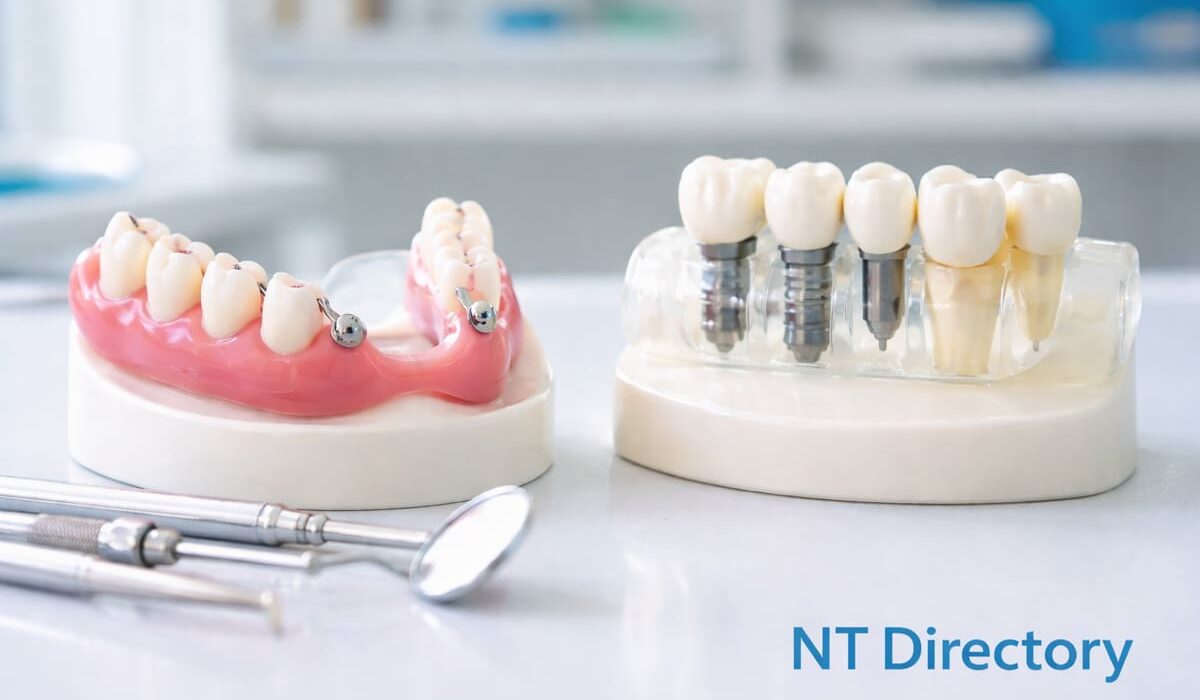
Fixed prosthodontics use restorations that stay in the mouth and give strong bite and natural look. Removable prosthodontics use dental prosthesis that patients can take out for cleaning and comfort. Both options replace missing teeth, but each suits different needs.
Tooth loss affects chewing, speech, and confidence. Modern dentistry offers two main solutions: fixed prosthodontics and removable prosthodontics. These treatments restore function and improve appearance. Choosing the right option depends on oral health, budget, and daily habits.
This guide explains both options clearly so you can make an informed choice.
What Is Fixed Prosthodontics?
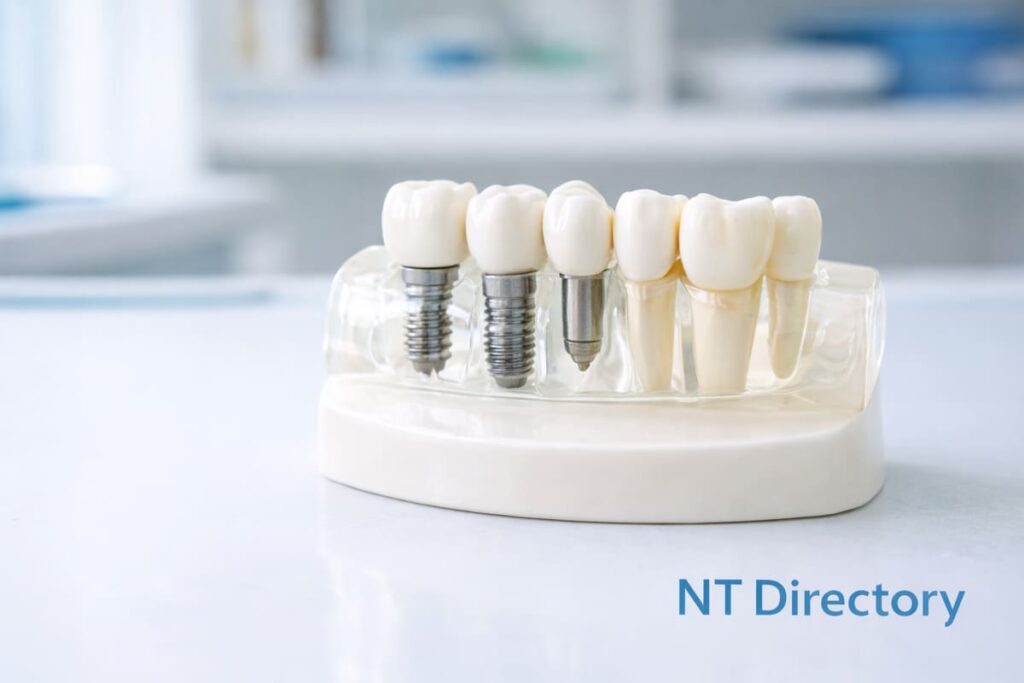
Fixed prosthodontics refers to dental restorations that stay attached in the mouth. A dentist places and removes them, not the patient. These restorations replace missing or damaged teeth and feel close to natural teeth.
Common types of fixed dental prosthesis include:
- Dental crowns
- Dental bridges
- Implant-supported crowns or bridges
A fixed prosthesis attaches to natural teeth or dental implants. Dentists cement or screw it into place. Once placed, it stays stable during eating and speaking.
Benefits of Fixed Prosthodontics
- Feels natural during chewing
- Improves bite strength
- Enhances smile appearance
- Does not move while talking
- Easy to adapt to daily life
Fixed prosthodontics work well for patients who want a long-term solution. They suit people with good oral health and enough bone support.
Limits of Fixed Prosthodontics
- Higher initial cost
- Longer treatment time
- Needs healthy supporting teeth or implants
- Repairs need dental visits
What Is Removable Prosthodontics?
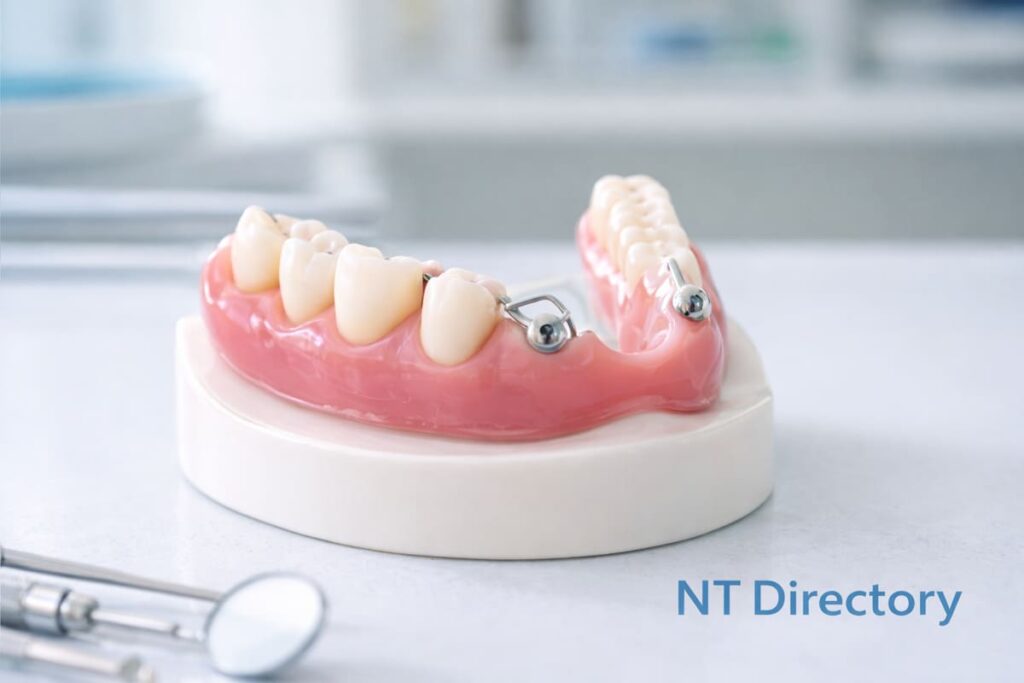
Removable prosthodontics includes dental prosthesis that patients can remove on their own. Dentists design these restorations to replace one tooth, several teeth, or full arches.
Common forms of removable dental prosthesis include:
- Complete dentures
- Partial dentures
A removable prosthesis rests on gums and may use metal or acrylic clasps for support. Patients remove it for cleaning and during sleep.
Benefits of Removable Prosthodontics
- Lower initial cost
- Shorter treatment time
- Easy to adjust or repair
- Suitable for multiple missing teeth
Removable prosthodontics help patients who lack bone support or want a non-surgical option.
Limits of Removable Prosthodontics
- Less bite strength
- May move while eating
- Needs daily removal and cleaning
- Takes time to get used to
Fixed Prosthodontics vs Removable Prosthodontics: Key Differences
The table below highlights the main differences between fixed prosthodontics and removable prosthodontics for tooth replacement.
| Feature | Fixed Prosthodontics | Removable Prosthodontics |
|---|---|---|
| Position | Permanently attached | Can be removed |
| Stability | Very stable | Less stable |
| Bite force | High | Moderate |
| Comfort | Feels natural | Needs adjustment |
| Cleaning | Clean like natural teeth | Remove for cleaning |
| Cost | Higher upfront | Lower upfront |
| Repairs | Dentist required | Easy adjustments |
This comparison helps patients understand how each option works in daily life.
Fixed Dental Prosthesis: When Is It a Better Choice?
A fixed dental prosthesis suits patients who want a strong and natural feel. It works best when:
- One or a few teeth are missing
- Supporting teeth are healthy
- Jawbone can support implants
- Long-term comfort matters
Fixed restorations support clear speech and confident chewing. They also help maintain jaw structure.
Removable Dental Prosthesis: When Is It a Better Choice?
A removable dental prosthesis works well when:
- Many teeth are missing
- Budget limits exist
- Bone support is low
- Surgery is not preferred
Dentists often recommend removable prosthodontics as a first step or temporary solution.
Tooth Replacement Goals: Function Comes First
Tooth replacement should restore:
- Proper chewing
- Clear speech
- Facial balance
- Oral comfort
Both fixed prosthodontics and removable prosthodontics meet these goals in different ways. The best choice depends on personal needs, oral condition, and future plans.
Treatment Process: Fixed Prosthodontics vs Removable Prosthodontics
Understanding the treatment steps helps patients set clear expectations. Fixed prosthodontics and removable prosthodontics follow different clinical paths. Each option needs proper planning for safe and lasting results.
Fixed Prosthodontics: Step-by-Step Process
The treatment for fixed prosthodontics depends on the type of fixed dental prosthesis. Crowns, bridges, and implants follow similar stages.
Step 1: Oral Evaluation
The dentist checks teeth, gums, and bone health. X-rays or scans help plan the procedure. This step confirms if a fixed prosthesis will work safely.
Step 2: Tooth or Implant Preparation
- For crowns or bridges, the dentist shapes the supporting teeth.
- For implants, the dentist places a titanium post in the jawbone.
Step 3: Temporary Restoration
A temporary crown or bridge protects the area. It allows normal eating during healing.
Step 4: Final Placement
The dentist places the final fixed dental prosthesis. It stays locked in position and restores bite function.
Typical Timeline for Fixed Prosthodontics
| Procedure | Average Time |
|---|---|
| Crown | 2–3 weeks |
| Bridge | 3–4 weeks |
| Implant crown | 3–6 months |
Implants need more time because bone healing is required.
Removable Prosthodontics: Step-by-Step Process
Removable prosthodontics follow a simpler and faster process. Dentists use impressions to design the removable dental prosthesis.
Step 1: Initial Assessment
The dentist examines gums, jaw shape, and missing teeth. This step helps choose the correct removable prosthesis type.
Step 2: Impressions and Measurements
The dentist takes molds of the mouth. These molds guide the denture design.
Step 3: Try-In Stage
The patient tries a sample denture. The dentist checks fit, bite, and comfort.
Step 4: Final Delivery
The dentist provides the final removable dental prosthesis and explains care steps.
Typical Timeline for Removable Prosthodontics
| Procedure | Average Time |
|---|---|
| Partial denture | 2–3 weeks |
| Complete denture | 3–4 weeks |
Adjustments may follow during early use.
Cost Comparison: Fixed vs Removable Prosthodontics
Cost plays a major role in treatment choice. The table below shows general cost trends.
| Factor | Fixed Prosthodontics | Removable Prosthodontics |
|---|---|---|
| Initial cost | Higher | Lower |
| Maintenance | Low | Moderate |
| Repair cost | Higher | Lower |
| Long-term value | High | Moderate |
A fixed dental prosthesis costs more at first but often lasts longer. A removable dental prosthesis costs less but may need replacement sooner.
Daily Care and Maintenance
Proper care improves comfort and lifespan for both options.
Fixed Prosthodontics Care
- Brush twice daily
- Use floss or interdental cleaners
- Avoid chewing hard objects
- Visit the dentist regularly
Fixed restorations stay in the mouth, so routine hygiene is critical.
Removable Prosthodontics Care
- Remove after meals
- Clean with soft brush
- Store in water when not in use
- Clean gums and tongue daily
Patients must remove the removable prosthesis daily to prevent irritation.
Comfort and Adaptation Period
Fixed Prosthodontics Comfort
Patients adapt quickly to fixed prosthodontics. The bite feels natural because the prosthesis does not move.
Removable Prosthodontics Comfort
Patients need time to adjust to removable prosthodontics. Mild soreness and speech changes may occur early but improve with use.
Longevity and Durability
Durability affects long-term satisfaction.
| Aspect | Fixed Prosthodontics | Removable Prosthodontics |
|---|---|---|
| Average lifespan | 10–20 years | 5–10 years |
| Stability | Very high | Moderate |
| Wear rate | Low | Higher |
A fixed prosthesis often lasts longer with good care. A removable prosthesis may need relining or replacement over time.
Which Option Fits Your Lifestyle?
Choose fixed prosthodontics if you:
- Want strong chewing power
- Prefer a natural feel
- Do not want daily removal
Choose removable prosthodontics if you:
- Want a budget-friendly option
- Need fast treatment
- Prefer easy repair options
Both options improve oral function and appearance when planned correctly.
Who Should Choose Fixed Prosthodontics?
Fixed prosthodontics suit patients who want a stable and long-term tooth replacement. A fixed dental prosthesis stays in place and works like natural teeth.
You may choose fixed prosthodontics if you:
- Have healthy gums and jawbone
- Are missing one or a few teeth
- Want strong chewing ability
- Prefer a natural tooth feel
- Do not want daily removal
A fixed prosthesis helps keep nearby teeth in proper position. It also supports jaw function and speech clarity.
Who Should Choose Removable Prosthodontics?
Removable prosthodontics fit patients who need flexible and affordable tooth replacement. A removable dental prosthesis allows easy removal and cleaning.
You may choose removable prosthodontics if you:
- Have several missing teeth
- Want lower initial cost
- Need a non-surgical option
- Expect future dental changes
- Want easy repair and adjustment
A removable prosthesis often serves as a short-term or transitional solution.
Fixed Prosthodontics vs Removable Prosthodontics: Decision Table
This table helps patients compare options quickly.
| Decision Factor | Fixed Prosthodontics | Removable Prosthodontics |
|---|---|---|
| Chewing strength | High | Moderate |
| Daily removal | No | Yes |
| Natural feel | High | Moderate |
| Initial cost | Higher | Lower |
| Adjustment ease | Low | High |
| Long-term stability | High | Moderate |
This table supports quick decision-making and improves clarity.
Oral Health Impact
Fixed Prosthodontics
A fixed dental prosthesis helps distribute bite force evenly. It reduces stress on nearby teeth and supports stable jaw function.
Removable Prosthodontics
A removable dental prosthesis rests on gums and soft tissues. Proper fit prevents sore spots and gum irritation.
Regular dental checkups keep both options safe and functional.
Long-Term Planning for Tooth Replacement
Tooth replacement is not only about today. Long-term planning improves results.
Consider these factors:
- Future tooth loss risk
- Gum and bone health
- Lifestyle habits
- Budget planning
Some patients start with removable prosthodontics and later switch to fixed prosthodontics when conditions improve.
Choosing the Right Option with Your Dentist
A dentist evaluates:
- Oral health status
- Bone support
- Number of missing teeth
- Bite alignment
- Personal comfort needs
The dentist then recommends the best fixed dental prosthesis or removable dental prosthesis based on clinical findings.
Fixed prosthodontics offer strong bite, stability, and natural feel. They work best for patients seeking long-term comfort.
Removable prosthodontics offer flexibility, lower cost, and easy adjustments. They work well for patients needing quick or budget-friendly solutions.
Both options restore function and confidence. The right choice depends on oral health, needs, and goals.
Final Takeaway
Fixed prosthodontics provide stable, long-lasting tooth replacement, while removable prosthodontics offer flexible and affordable solutions. NT Directory explains how a dental evaluation helps determine the best option.
Common Patient Questions
What is fixed prosthodontics?
Fixed prosthodontics involve restorations that stay attached in the mouth. Examples include crowns, bridges, and implant-supported teeth.
What is removable prosthodontics?
Removable prosthodontics involve dental prosthesis that patients can remove, such as partial and complete dentures.
Which lasts longer: fixed or removable prosthodontics?
A fixed prosthesis usually lasts longer than a removable prosthesis with proper care.
Is a fixed dental prosthesis hard to clean?
No. Patients clean it like natural teeth with brushing and flossing.
Is a removable dental prosthesis uncomfortable?
Some discomfort may occur at first, but comfort improves with proper fit and use.