Can Dehydration Cause Stomach Pain? Signs, Causes & When to See a Doctor

This article is medically reviewed by Dr. Ajay Patel, MD, a Board-Certified Internal Medicine Physician (USA), for accuracy, clinical relevance, and adherence to current medical guidelines.
Yes, dehydration can cause stomach pain. The pain can feel mild or severe. It can appear as cramps, bloating, burning, or sharp discomfort. Your digestive system depends on water to function properly. When your body lacks fluids, digestion slows down. Stool becomes hard. Stomach acid becomes more concentrated. Muscles in the gut may cramp. All these changes can trigger abdominal pain.
Many people link dehydration only with thirst or dry mouth. They often miss the early digestive signs. Stomach pain may appear before severe dehydration symptoms develop. Understanding this connection helps you act early and prevent complications.
How Dehydration Affects the Digestive System
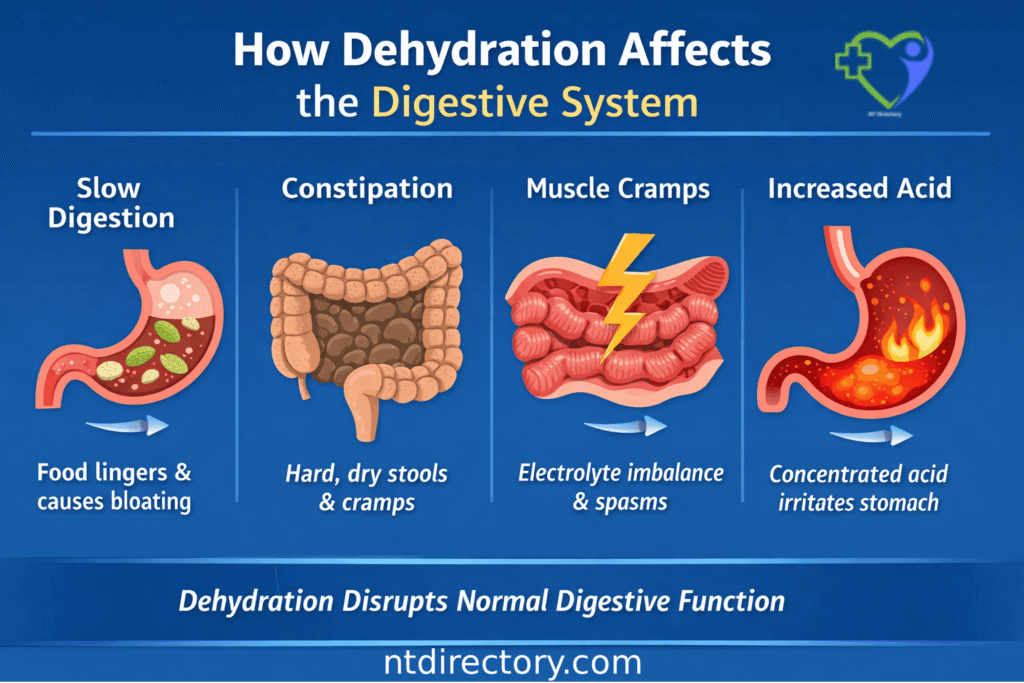
Water plays a central role in digestion. It supports every step, from breaking down food to moving waste through the intestines. When dehydration occurs, these processes suffer.
Dehydration Slows Digestion
Your stomach needs water to mix food with digestive juices. These juices include acids and enzymes. They break food into smaller particles. When you drink less water, this process slows down. Food stays longer in the stomach. This delay causes heaviness, pressure, and discomfort.
Slow digestion also increases gas formation. Undigested food ferments in the gut. This fermentation leads to bloating and pain. Many people describe this pain as a tight or stretched feeling in the abdomen.
Dehydration Causes Constipation
The colon absorbs water from digested food. This step forms soft stool. When your body lacks water, the colon pulls more fluid from stool. The stool becomes dry and hard. It moves slowly through the intestines.
Hard stool stretches the intestinal walls. This stretching triggers cramping pain. Constipation-related pain often appears in the lower abdomen. It may worsen after meals or during bowel movements. In some cases, the pain becomes sharp and persistent.
Dehydration Triggers Abdominal Muscle Spasms
Your intestines rely on smooth muscle contractions to move food. These muscles need electrolytes like sodium and potassium. Dehydration disrupts this balance. Electrolyte loss affects muscle function.
When gut muscles contract abnormally, spasms occur. These spasms feel like sudden cramps. They may come and go. Physical activity or heat exposure can worsen them. Many people mistake these cramps for food poisoning or infection.
Dehydration Increases Stomach Acid Concentration
Water dilutes stomach acid. When hydration drops, acid becomes more concentrated. This increase irritates the stomach lining. It can cause burning pain in the upper abdomen. Some people feel this pain after long gaps without drinking water.
Acid irritation may also worsen nausea. It can trigger discomfort similar to acid reflux. This pain often appears after meals or when lying down.
Why Stomach Pain Can Be an Early Sign of Dehydration
Your digestive system reacts quickly to fluid loss. The gut needs constant hydration to stay flexible and active. Even mild dehydration can disrupt gut function. Stomach pain may appear before other symptoms like dizziness or confusion.
Heat, exercise, diarrhea, and vomiting increase fluid loss. If you fail to replace fluids, your body shifts water away from digestion. It prioritizes vital organs instead. This shift reduces blood flow to the gut. Reduced blood flow worsens cramping and discomfort.
People who drink large amounts of caffeine or alcohol face higher risk. These substances increase urine output. They also irritate the stomach lining. Combined with dehydration, they intensify abdominal pain.
What Does Dehydration-Related Stomach Pain Feel Like?
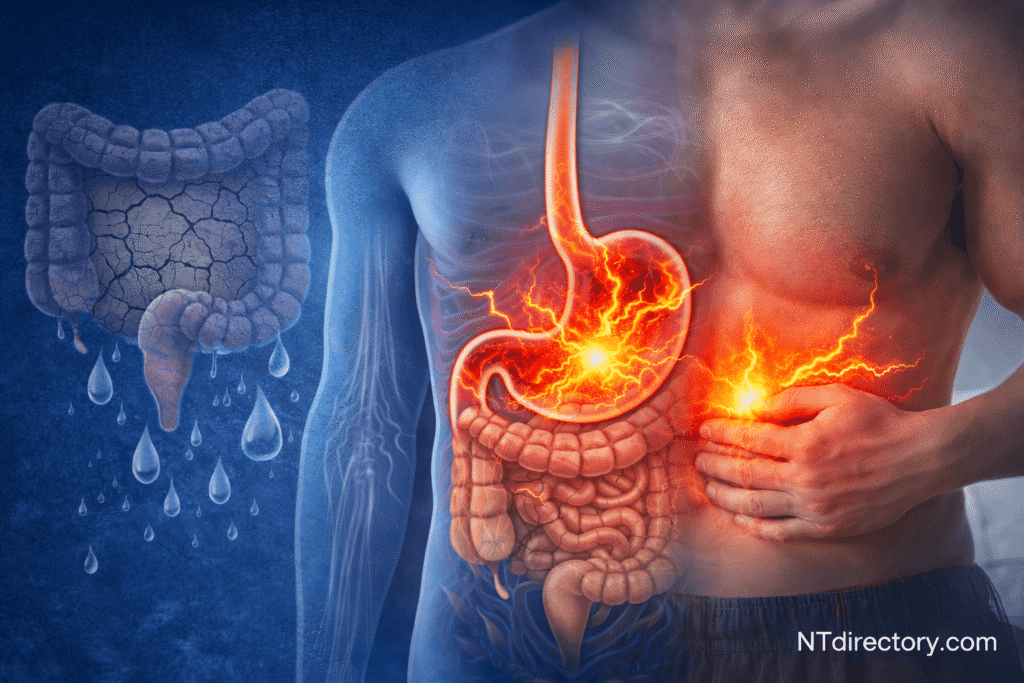
Dehydration does not cause one single type of pain. The sensation depends on severity and body response.
Common Pain Sensations
| Type of Pain | How It Feels | Likely Cause |
|---|---|---|
| Dull ache | Constant, mild discomfort | Slow digestion |
| Cramping | Tight, squeezing pain | Constipation or muscle spasms |
| Sharp pain | Sudden, intense pain | Electrolyte imbalance |
| Burning pain | Warm or acidic feeling | Concentrated stomach acid |
The pain may stay localized or spread across the abdomen. Some people feel it after physical activity. Others notice it during long hours without water.
Digestive and Whole-Body Symptoms That Often Appear Together
Stomach pain rarely occurs alone during dehydration. Other signs usually appear at the same time.
Digestive Symptoms
- Bloating
- Reduced bowel movements
- Hard or dry stools
- Nausea
- Loss of appetite
General Dehydration Symptoms
- Dry mouth and lips
- Fatigue
- Headache
- Dizziness
- Dark yellow urine
- Reduced urination
When these symptoms appear together, dehydration likely plays a role. Ignoring them can allow the condition to worsen.
Who Faces Higher Risk of Stomach Pain From Dehydration?
Certain groups experience dehydration-related stomach pain more often.
- People who exercise intensely
- Individuals exposed to hot weather
- Children, due to faster fluid loss
- Older adults, due to reduced thirst sensation
- People with diarrhea or vomiting
- Individuals who avoid drinking water regularly
These groups need closer hydration monitoring. Small fluid deficits can cause noticeable digestive symptoms.
Why Early Recognition Matters
Mild dehydration causes discomfort. Severe dehydration can cause serious complications. Stomach pain may signal the early stage. Acting at this stage prevents progression.
When dehydration worsens, electrolyte imbalance increases. Blood pressure may drop. Confusion may develop. Digestive pain may become severe and persistent.
Recognizing stomach pain as a warning sign helps you respond quickly. Proper hydration restores digestion and relieves pain in many cases.
What to Do If Dehydration Is Causing Stomach Pain
When dehydration triggers stomach pain, early action brings faster relief. Your body responds well to timely hydration and digestive support. Ignoring symptoms often makes the pain last longer and feel more intense.
Start With Proper Rehydration
Water should be your first choice. Sip slowly instead of drinking large amounts at once. Slow intake prevents nausea and helps the body absorb fluids efficiently. For mild dehydration, plain water usually works well.
If sweating, diarrhea, or vomiting caused the dehydration, your body also loses electrolytes. In such cases, oral rehydration solutions help restore balance. These fluids support muscle function and reduce abdominal cramping. Avoid very cold drinks, as they may irritate the stomach.
Choose the Right Fluids
Not all drinks support recovery. Some fluids worsen dehydration and stomach pain.
Helpful fluids include:
- Plain water
- Oral rehydration solutions
- Diluted fruit juices
- Coconut water in moderate amounts
Fluids to avoid include:
- Alcohol
- Caffeinated beverages
- Sugary soft drinks
- Energy drinks
Caffeine and alcohol increase urine output. They also irritate the stomach lining. Sugary drinks pull water into the intestines and may worsen cramps.
Eat Foods That Support Digestion During Recovery
Food choice matters when dehydration causes stomach pain. The wrong foods increase strain on the digestive system.
Follow a Gentle Diet
Eat bland foods that digest easily. These foods reduce irritation and support gut movement.
Good food options include:
- Rice
- Bananas
- Toast
- Boiled potatoes
- Plain yogurt
These foods provide energy without stressing digestion. They also help bind stool if diarrhea is present.
Avoid Irritating Foods
Certain foods delay recovery and worsen pain.
Avoid:
- Spicy foods
- Fried foods
- Fatty meals
- Highly processed snacks
These foods increase acid production and slow digestion. They can intensify bloating and cramps.
Rest and Body Cooling Help Reduce Pain
Dehydration often occurs with heat exposure or physical exertion. Rest supports recovery by reducing fluid demand.
Lie down in a cool environment. Avoid direct heat and sunlight. Loosen tight clothing around the abdomen. Gentle movement may help constipation, but avoid intense activity until hydration improves.
Cooling the body lowers stress hormones. This response relaxes gut muscles and reduces cramping.
How Long Does Stomach Pain From Dehydration Last?
Recovery time depends on dehydration severity and individual health.
| Dehydration Level | Expected Pain Relief Time |
|---|---|
| Mild | Few hours after rehydration |
| Moderate | 12 to 24 hours |
| Severe | 24 to 72 hours with medical care |
Mild cases often improve quickly. Adequate hydration restores gut function within hours. Moderate dehydration may cause lingering discomfort. Electrolyte correction speeds recovery.
Severe dehydration requires medical attention. Pain may persist until fluids and electrolytes normalize.
Can Dehydration Cause Stomach Pain Without Thirst?
Yes, thirst does not always appear first. Many people develop stomach pain before feeling thirsty. Aging reduces thirst sensitivity. Stress and illness also mask thirst signals.
Relying only on thirst delays hydration. Monitoring urine color and frequency provides better hydration clues. Pale yellow urine usually indicates adequate hydration.
Can Dehydration Cause Upper or Lower Abdominal Pain?
Dehydration can affect different parts of the abdomen.
Upper Abdominal Pain
Upper abdominal pain often links to increased stomach acid. Concentrated acid irritates the stomach lining. This pain may feel burning or sharp. It often worsens on an empty stomach.
Lower Abdominal Pain
Lower abdominal pain often results from constipation. Hard stool stretches the intestines. This stretching triggers cramping. Pain may worsen after meals or during bowel movements.
Both pain types improve with hydration and digestive support.
When Stomach Pain May Signal More Than Dehydration
Dehydration-related pain usually improves with fluids. Persistent or worsening pain needs careful attention.
Stomach pain may indicate another condition if it:
- Does not improve after hydration
- Becomes severe or constant
- Occurs with fever
- Appears with confusion or extreme weakness
These signs suggest possible infection, heat exhaustion, or electrolyte imbalance.
When to See a Doctor for Dehydration and Stomach Pain
Medical care becomes necessary when dehydration reaches a dangerous level.
Seek medical help if you experience:
- Severe abdominal pain
- Continuous vomiting or diarrhea
- Inability to drink fluids
- Confusion or fainting
- Very little or no urination
- Signs of heat exhaustion
Prompt treatment prevents complications such as kidney injury or heatstroke.
Can Children and Older Adults Experience More Severe Pain?
Yes. Children lose fluids faster due to smaller body size. They may not communicate thirst clearly. Stomach pain may appear suddenly.
Older adults often feel less thirsty. Chronic conditions and medications increase dehydration risk. Even mild fluid loss can cause significant abdominal discomfort.
Caregivers should monitor fluid intake closely in these groups.
Why Prevention Matters More Than Treatment
Preventing dehydration protects digestion and overall health. Small, consistent fluid intake works better than large, infrequent drinking. Hydration supports gut movement, acid balance, and muscle function.
Stomach pain often signals that dehydration has already affected digestion. Responding early shortens recovery time and reduces discomfort.
How to Prevent Dehydration-Related Stomach Pain
Prevention offers the most reliable way to avoid dehydration-related stomach pain. Your digestive system functions best when fluid intake remains steady throughout the day. Waiting until thirst appears often leads to delayed hydration.
Maintain Consistent Daily Hydration
Drink water at regular intervals. Small, frequent sips work better than large amounts taken occasionally. This approach keeps digestive fluids balanced and supports smooth gut movement.
Most adults benefit from spreading fluid intake across the day. Morning hydration helps restart digestion after sleep. Drinking water before meals supports enzyme activity and reduces bloating.
Increase Fluids During High-Risk Situations
Certain situations increase fluid loss and raise the risk of stomach pain.
Increase fluid intake when you:
- Exercise or perform physical labor
- Spend time in hot or humid weather
- Experience diarrhea or vomiting
- Consume caffeine or alcohol
Ignoring hydration during these periods often leads to cramps, constipation, and acid-related discomfort.
The Role of Electrolytes in Digestive Health
Electrolytes support nerve signaling and muscle contractions. The digestive tract relies on these functions to move food properly. Dehydration disrupts this balance.
Why Electrolytes Matter
Sodium helps regulate fluid levels. Potassium supports muscle movement. Magnesium aids muscle relaxation. When these minerals drop, gut muscles may spasm. These spasms cause cramping pain.
Heavy sweating increases electrolyte loss. Plain water alone may not correct the imbalance in such cases. Balanced hydration prevents intestinal muscle dysfunction.
When to Add Electrolytes
Electrolytes help most when dehydration occurs due to:
- Excessive sweating
- Diarrhea
- Vomiting
- Heat exposure
For everyday hydration, water remains sufficient. Avoid overuse of electrolyte drinks when not needed.
Monitoring Hydration Status the Right Way
Relying only on thirst can mislead you. Many people feel thirsty only after dehydration begins.
Simple Hydration Indicators
| Indicator | What It Suggests |
|---|---|
| Pale yellow urine | Good hydration |
| Dark yellow urine | Dehydration |
| Infrequent urination | Low fluid intake |
| Dry lips or mouth | Early dehydration |
| Fatigue | Possible fluid deficit |
Monitoring these signs helps prevent digestive symptoms before they appear.
Can Certain Habits Increase Dehydration-Related Stomach Pain?
Yes, daily habits influence hydration and digestion.
Excess Caffeine Intake
Caffeine increases urine production. It also stimulates stomach acid release. Combined with dehydration, it worsens burning and discomfort.
Alcohol Consumption
Alcohol pulls water from body tissues. It irritates the stomach lining. These effects increase the risk of abdominal pain.
Skipping Meals and Water Together
Skipping meals often leads to reduced fluid intake. An empty stomach combined with dehydration increases acid concentration. This combination often causes upper abdominal pain.
Common Misconceptions About Dehydration and Stomach Pain
Many myths prevent early action and proper care.
“If I Am Not Thirsty, I Am Hydrated”
Thirst lags behind actual fluid loss. Stomach pain may appear before thirst. Waiting for thirst delays hydration.
“Only Heat Causes Dehydration”
Cold environments also cause fluid loss. Dry air increases water loss through breathing. People often forget to drink water in cooler climates.
“Drinking More Water at Once Fixes Everything”
Rapid intake may cause nausea. Gradual hydration works better and supports digestion.
Can Dehydration Cause Stomach Pain During Exercise?
Yes. Exercise increases fluid and electrolyte loss. Reduced blood flow to the gut during intense activity worsens digestive discomfort.
Runners and endurance athletes often experience cramping. These cramps usually relate to fluid loss rather than food intolerance. Drinking small amounts before and after exercise reduces risk.
Dehydration and Stomach Pain in Children
Children lose fluids quickly. They may not recognize or express thirst. Early signs often include stomach pain and irritability.
Parents should encourage regular fluid intake. Offering water-rich foods helps maintain hydration. Monitoring urine output provides useful clues.
Dehydration and Stomach Pain in Older Adults
Older adults face higher dehydration risk. Reduced thirst sensation and medication use contribute to fluid loss. Digestive pain may appear suddenly and feel severe.
Encouraging routine hydration supports gut health. Even mild dehydration can disrupt digestion in this group.
Can Dehydration Mimic Other Digestive Disorders?
Yes. Dehydration-related stomach pain often resembles other conditions.
It may feel similar to:
- Acid reflux
- Irritable bowel symptoms
- Gastritis
- Mild food intolerance
Hydration often improves symptoms. Persistent pain requires further evaluation.
Why Consistent Hydration Protects Digestive Comfort
Adequate hydration supports enzyme function, stool softness, and muscle coordination. It reduces acid irritation and promotes smooth digestion.
Preventive hydration reduces the chance of sudden stomach pain. It also supports overall energy and mental clarity.
Frequently Asked Questions About Dehydration and Stomach Pain
Can dehydration cause sharp stomach pain?
Yes, dehydration can cause sharp stomach pain. This pain often occurs when electrolyte levels drop. Electrolytes control muscle contractions in the digestive tract. When levels fall, intestinal muscles may spasm suddenly. These spasms create sharp or stabbing pain that comes and goes. Rehydration and electrolyte balance usually reduce this pain.
Can dehydration cause bloating and gas?
Yes, dehydration can cause bloating and gas. When digestion slows due to low fluid levels, food remains in the gut longer. This delay increases gas formation. Hard stool also traps gas inside the intestines. The result is bloating, pressure, and discomfort. Drinking enough water helps restore gut movement and reduce gas buildup.
Can dehydration cause stomach pain without thirst?
Yes, thirst does not always appear early. Many people feel stomach pain before feeling thirsty. Aging, illness, stress, and heat exposure can reduce thirst signals. Digestive symptoms may act as early warning signs. Monitoring urine color and hydration habits helps identify dehydration sooner.
Can dehydration cause upper abdominal pain?
Yes, dehydration can cause upper abdominal pain. Reduced water intake concentrates stomach acid. Concentrated acid irritates the stomach lining. This irritation causes burning or aching pain in the upper abdomen. The pain often worsens on an empty stomach or after caffeine intake. Hydration helps dilute acid and ease discomfort.
Can dehydration cause lower abdominal pain?
Yes, dehydration can cause lower abdominal pain. This pain usually relates to constipation. When stool becomes hard, it stretches the intestines. This stretching triggers cramping and pressure. Lower abdominal pain often improves after hydration and bowel movement normalization.
How much water should I drink if dehydration causes stomach pain?
Start with small, frequent sips. Drink water every few minutes instead of large amounts at once. For mild dehydration, this approach often brings relief within hours. If sweating, vomiting, or diarrhea caused dehydration, electrolyte fluids support faster recovery. Avoid forcing fluids if nausea occurs.
Warning Signs That Need Immediate Medical Attention
Dehydration-related stomach pain often improves with hydration. Some signs indicate a more serious problem.
Seek medical care if you notice:
- Severe or worsening abdominal pain
- Persistent vomiting or diarrhea
- Confusion or difficulty concentrating
- Very little or no urination
- High fever
- Rapid heartbeat
- Signs of heat exhaustion
These symptoms may indicate severe dehydration or another medical condition. Prompt treatment prevents complications.
How Quickly Can Stomach Pain Improve After Hydration?
Mild dehydration often improves within a few hours. Moderate dehydration may take a full day for symptoms to resolve. Severe dehydration requires medical fluids and monitoring. Pain relief depends on fluid replacement and electrolyte correction.
Improvement usually begins with:
- Reduced cramping
- Improved bowel movement
- Less bloating
- Decreased burning sensation
If pain persists despite proper hydration, further evaluation becomes necessary.
Can Dehydration-Related Stomach Pain Become Chronic?
Dehydration alone rarely causes chronic stomach pain. Repeated dehydration episodes may irritate the digestive tract. They may worsen existing conditions such as acid sensitivity or constipation. Consistent hydration prevents recurring symptoms and protects gut health.
Practical Daily Habits to Prevent Recurrence
Simple daily habits help maintain hydration and digestive comfort.
- Start the day with water
- Drink before feeling thirsty
- Carry water during travel or work
- Increase fluids during heat or exercise
- Monitor urine color daily
- Limit alcohol and excessive caffeine
These habits reduce the chance of future stomach pain episodes.
Key Takeaway: Listen to Your Body’s Early Signals
Dehydration can cause stomach pain through slowed digestion, constipation, muscle spasms, and acid irritation. The pain may feel mild or severe. It often appears before intense thirst or fatigue.
Early hydration restores digestive balance. Choosing the right fluids and foods speeds recovery. Recognizing warning signs ensures timely medical care.
Consistent hydration remains the most effective way to protect your digestive system and prevent dehydration-related stomach pain.