4 Major Types of Lung Cancer:- Symptoms, Causes & Treatments
This article is medically reviewed by Dr. Ajay Patel, MD, a Board-Certified Internal Medicine Physician (USA), for accuracy, clinical relevance, and adherence to current medical guidelines.
Lung cancer develops when abnormal cells grow uncontrollably in lung tissue. Doctors classify it based on how cancer cells appear under a microscope. This classification guides diagnosis, treatment, and prognosis. Understanding the types of lung cancer helps patients recognize symptoms early and choose the right treatment path.
Globally, lung cancer remains one of the leading causes of cancer-related deaths. Medical experts divide lung cancer into four major types based on cell structure and growth behavior. These types show different symptoms, causes, and treatment responses. This guide explains the 4 types of lung cancer, their early signs, and why classification matters.
What Are the 4 Main Types of Lung Cancer?
The four major types of lung cancer include non-small cell lung cancer, small cell lung cancer, adenocarcinoma, and squamous cell lung cancer. These types differ in growth speed, spread pattern, symptoms, and treatment approach. Doctors rely on biopsy results to identify the exact type before starting treatment.
Classification of Lung Cancer by Cell Type
Doctors classify lung cancer by examining cancer cells under a microscope. This method helps predict how fast cancer grows and which treatment works best.
Major Lung Cancer Categories
| Lung Cancer Type | Approximate Share | Growth Speed | Common Risk Factor |
|---|---|---|---|
| Non-small cell lung cancer (NSCLC) | ~80–85% | Moderate | Smoking, pollution |
| Small cell lung cancer (SCLC) | ~10–15% | Very fast | Heavy smoking |
| Adenocarcinoma lung cancer | Most common NSCLC | Moderate | Smoking, non-smokers |
| Squamous cell lung cancer | Common NSCLC | Moderate | Long-term smoking |
Non-Small Cell Lung Cancer (NSCLC)
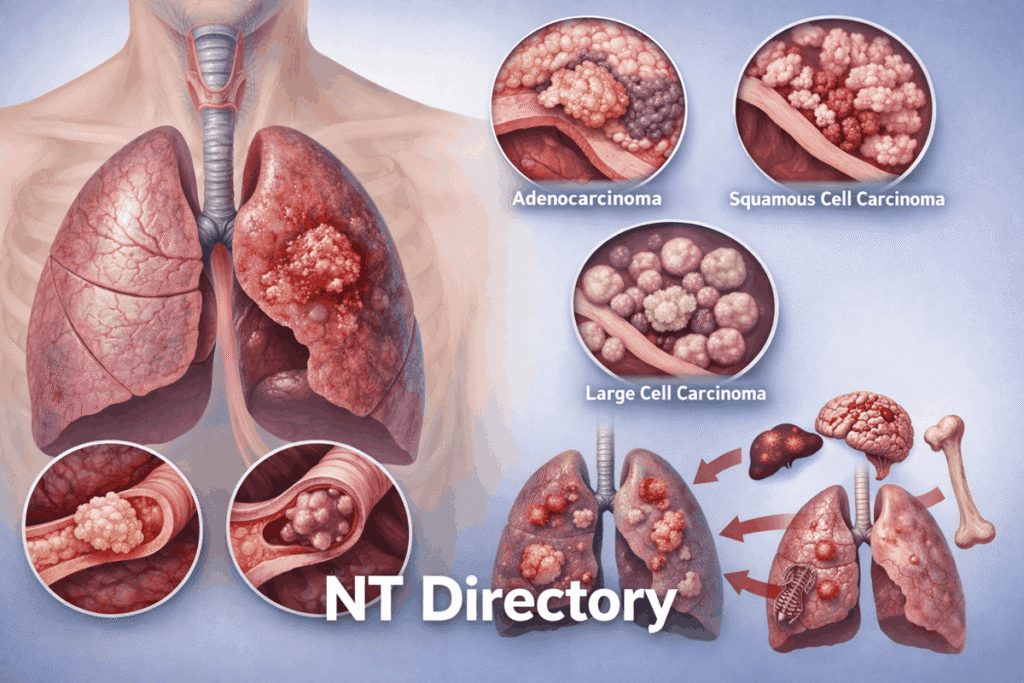
Non-small cell lung cancer (NSCLC) is the most common form of lung cancer. It grows slower than small cell lung cancer and responds better to surgery and targeted therapy when detected early. NSCLC includes several subtypes with different clinical behaviors.
Why NSCLC Is the Most Common Type
- Accounts for most lung cancer cases
- Often diagnosed at an early or mid-stage
- Offers more treatment options than SCLC
NSCLC mainly affects people with a history of smoking. However, environmental and genetic factors also play a role.
Adenocarcinoma Lung Cancer
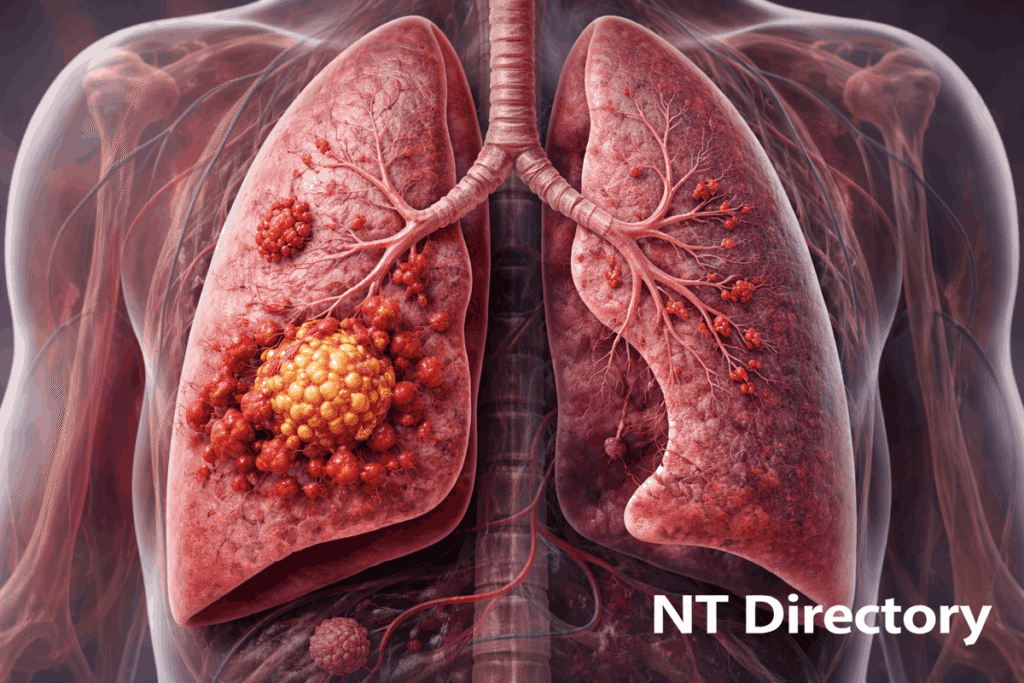
Adenocarcinoma lung cancer starts in mucus-producing gland cells. It usually forms in the outer parts of the lungs. This subtype has become increasingly common worldwide.
Key Characteristics of Adenocarcinoma
| Feature | Details |
|---|---|
| Cell origin | Glandular cells |
| Common location | Outer lung regions |
| Affected group | Smokers and non-smokers |
| Growth behavior | Moderate |
Symptoms of Adenocarcinoma of the Lung
- Persistent cough
- Chest discomfort
- Shortness of breath
- Unexplained weight loss
This type appears more often in lung cancer in non-smokers, especially women. Air pollution and genetic mutations contribute significantly.
Squamous Cell Lung Cancer
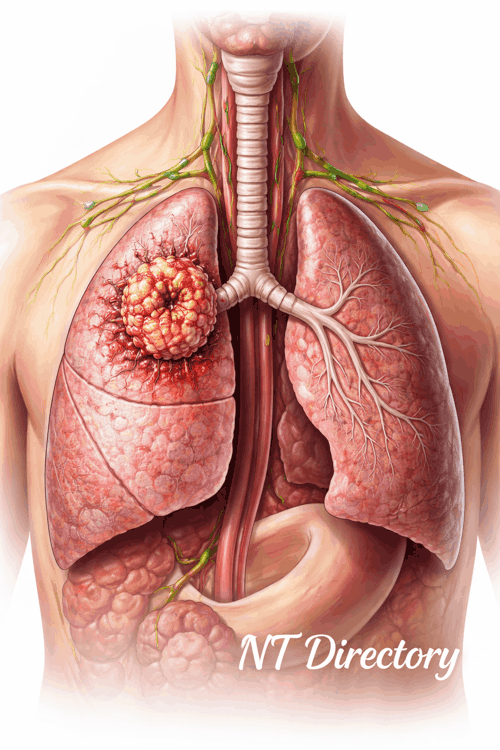
Squamous cell lung cancer begins in flat cells lining the airways. It commonly develops in the central part of the lungs near the bronchi.
Early Signs of Squamous Cell Lung Cancer
- Chronic cough
- Coughing up blood
- Chest pain during breathing
- Recurrent lung infections
Risk Profile
| Risk Factor | Impact |
|---|---|
| Long-term smoking | Very high |
| Passive smoking | Moderate |
| Air pollution | Moderate |
This type often shows symptoms earlier than other lung cancers due to its central airway location.
Large Cell Lung Cancer
Large cell lung cancer is a less common subtype of NSCLC. Doctors identify it when cancer cells lack features of adenocarcinoma or squamous cell carcinoma.
What Is Large Cell Lung Cancer?
| Aspect | Description |
|---|---|
| Cell appearance | Large, abnormal cells |
| Growth rate | Fast |
| Spread pattern | Early spread possible |
Patients often receive this diagnosis at advanced stages because symptoms appear late.
Key Differences Between NSCLC Subtypes
| Subtype | Typical Location | Growth Speed | Smoking Link |
|---|---|---|---|
| Adenocarcinoma | Outer lungs | Moderate | Moderate |
| Squamous cell | Central airways | Moderate | High |
| Large cell | Any lung area | Fast | Variable |
Understanding these differences helps doctors personalize lung cancer treatment options.
Why Cell Type Matters in Lung Cancer Treatment
Doctors select treatment based on the type of lung cancer, stage, and genetic markers. NSCLC allows multiple treatment paths such as surgery, chemotherapy, radiation therapy, and targeted therapy. Early-stage NSCLC often responds well to surgery.
Correct classification improves survival outcomes and reduces unnecessary treatments.
Small Cell Lung Cancer (SCLC)
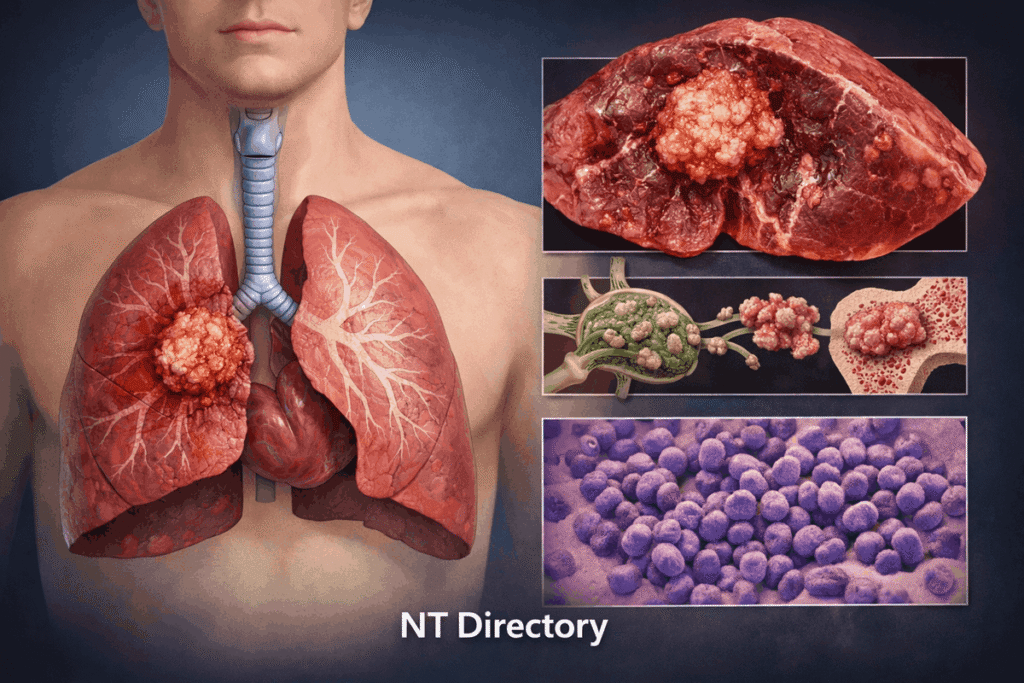
Small cell lung cancer (SCLC) is an aggressive form of lung cancer. It grows rapidly and spreads early to other organs. Doctors usually diagnose SCLC at advanced stages. This cancer strongly links to long-term tobacco use.
SCLC cells multiply quickly and form large tumors. They often spread to the brain, liver, or bones before symptoms become severe. Due to its rapid progression, surgery rarely plays a role in treatment.
Key Characteristics of Small Cell Lung Cancer
| Feature | Description |
|---|---|
| Growth speed | Very fast |
| Spread pattern | Early and widespread |
| Smoking link | Very strong |
| Treatment response | Sensitive to chemotherapy |
SCLC represents a smaller percentage of cases but causes a high disease burden due to its aggressive nature.
Differences Between NSCLC and SCLC
Understanding the differences between NSCLC and SCLC helps patients and caregivers understand treatment decisions and outcomes.
NSCLC vs SCLC Comparison Table
| Factor | NSCLC | SCLC |
|---|---|---|
| Share of cases | ~80–85% | ~10–15% |
| Growth rate | Moderate | Very fast |
| Early symptoms | Often mild | Often silent |
| Surgery option | Common in early stage | Rare |
| Treatment focus | Surgery, targeted therapy | Chemotherapy, radiation |
| Prognosis | Better overall | Less favorable |
Doctors confirm the cancer type through biopsy. Imaging alone does not provide a definitive diagnosis.
Lung Cancer Symptoms and Early Warning Signs
Lung cancer symptoms vary by cancer type and location. Early detection improves outcomes, but many cases remain asymptomatic in early stages.
Lung Cancer Symptoms Early Signs
- Persistent cough that does not resolve
- Shortness of breath during routine activity
- Chest pain that worsens with breathing
- Fatigue and weakness
- Recurrent chest infections
Advanced Lung Cancer Symptoms
| Symptom | Clinical Significance |
|---|---|
| Coughing up blood | Tumor erosion in airways |
| Severe chest pain | Chest wall involvement |
| Weight loss | Advanced disease |
| Hoarseness | Nerve involvement |
Persistent cough and lung cancer often connect when symptoms last longer than three weeks. Coughing up blood lung cancer cases require urgent medical evaluation.
Symptom Patterns by Lung Cancer Type
| Lung Cancer Type | Common Symptoms |
|---|---|
| Adenocarcinoma | Shortness of breath, fatigue |
| Squamous cell | Chronic cough, blood in sputum |
| Large cell | Chest pain, rapid symptom onset |
| Small cell | Fatigue, neurological symptoms |
Shortness of breath and lung cancer often appear as tumors block airways or reduce lung capacity.
Causes of Lung Cancer
Multiple factors increase the risk of lung cancer. Some causes relate to lifestyle choices, while others involve environmental exposure.
Smoking and Lung Cancer Risk
Smoking remains the leading cause of lung cancer worldwide. Tobacco smoke damages lung cells and promotes genetic mutations.
| Smoking Exposure | Risk Level |
|---|---|
| Active smoking | Very high |
| Long-term smoking | Extremely high |
| Former smoking | Reduced but persistent risk |
Passive Smoking and Secondhand Smoke
Passive smoking secondhand smoke lung cancer risk affects non-smokers exposed at home or workplaces. Long-term exposure increases cancer risk even without direct smoking.
Air Pollution and Lung Cancer Risk
Air pollution contains fine particles that penetrate deep into lung tissue. Urban residents face higher exposure levels.
| Pollution Source | Impact |
|---|---|
| Vehicle emissions | Moderate risk |
| Industrial smoke | Moderate to high risk |
| Indoor fuel burning | Elevated risk |
Air pollution contributes significantly to lung cancer in non-smokers.
Occupational Exposure and Lung Cancer
Certain professions expose workers to harmful substances.
Occupational exposure lung cancer risks include:
- Asbestos
- Radon gas
- Diesel exhaust
- Chemical fumes
Workers in construction, mining, and manufacturing face higher exposure risk.
How Lung Cancer Develops
Cancer develops when damaged lung cells fail to repair themselves. These abnormal cells multiply and form tumors. Over time, tumors invade nearby tissues or spread through blood and lymph systems.
Early detection limits spread and improves treatment success.
Why Understanding Causes Matters
Identifying causes helps reduce risk and supports early screening. People with high exposure should discuss lung cancer screening options with healthcare providers.
How Lung Cancer Is Diagnosed
Doctors confirm lung cancer through a step-by-step diagnostic process. Imaging tests detect suspicious areas, while biopsies confirm the cancer type. Accurate diagnosis helps doctors select the correct treatment plan.
Common Diagnostic Tests for Lung Cancer
| Test | Purpose |
|---|---|
| Chest X-ray | Initial abnormal findings |
| CT scan | Tumor size and location |
| PET scan | Cancer spread detection |
| Biopsy | Confirms cancer type |
| Bronchoscopy | Airway tissue sampling |
Imaging alone cannot confirm cancer. A biopsy remains essential for identifying the type of lung cancer.
Lung Cancer Staging Explained
Staging describes how far cancer has spread in the body. Doctors use the TNM system, which evaluates tumor size, lymph node involvement, and distant spread.
Lung Cancer Stages Overview
| Stage | Description |
|---|---|
| Stage 1 | Cancer limited to lungs |
| Stage 2 | Nearby lymph nodes involved |
| Stage 3 | Regional spread |
| Stage 4 | Distant organ spread |
Early-stage lung cancer responds better to treatment. Advanced stages require systemic therapies.
Lung Cancer Treatment Options
Doctors choose treatment based on cancer type, stage, and overall health. Treatment goals include tumor removal, disease control, and symptom relief.
Surgery for Lung Cancer
Surgery works best for early-stage non-small cell lung cancer (NSCLC). The goal is complete tumor removal.
Types of Lung Cancer Surgery
| Surgery Type | When Used |
|---|---|
| Lobectomy | Tumor limited to one lobe |
| Pneumonectomy | Entire lung involved |
| Segmentectomy | Small early tumors |
Surgery rarely treats small cell lung cancer (SCLC) due to early spread.
Chemotherapy for Lung Cancer
Chemotherapy for lung cancer uses drugs to destroy rapidly dividing cancer cells. Doctors often combine it with other treatments.
When Chemotherapy Is Used
- After surgery to reduce recurrence
- Before surgery to shrink tumors
- As primary treatment for SCLC
- For advanced-stage lung cancer
Chemotherapy remains the backbone of SCLC treatment.
Radiation Therapy for Lung Cancer
Radiation therapy for lung cancer uses high-energy rays to target tumors. Doctors may use it alone or with chemotherapy.
Radiation Therapy Uses
| Clinical Use | Purpose |
|---|---|
| Early-stage NSCLC | Alternative to surgery |
| Advanced disease | Tumor control |
| Symptom relief | Pain and breathing support |
Radiation also helps control brain metastases in small cell lung cancer.
Targeted Therapy for NSCLC
Targeted therapy for NSCLC focuses on specific genetic mutations in cancer cells. These drugs block signals that promote tumor growth.
Common Targeted Therapy Markers
| Mutation | Treatment Impact |
|---|---|
| EGFR | Slows cancer progression |
| ALK | Blocks abnormal cell signals |
| ROS1 | Improves response rates |
Doctors test tumors for mutations before starting targeted therapy. This approach reduces damage to healthy cells.
Immunotherapy in Lung Cancer Care
Immunotherapy strengthens the immune system to attack cancer cells. Doctors often combine it with chemotherapy for advanced NSCLC.
Benefits of Immunotherapy
- Longer disease control
- Better tolerance than chemotherapy
- Improved survival in selected patients
Immunotherapy effectiveness depends on tumor markers and immune response.
Treatment Decisions by Cancer Type and Stage
Doctors personalize treatment plans based on tumor behavior and stage.
Treatment Selection Overview
| Cancer Type | Common Treatment Approach |
|---|---|
| Early-stage NSCLC | Surgery ± chemotherapy |
| Advanced NSCLC | Targeted therapy, immunotherapy |
| Limited-stage SCLC | Chemotherapy + radiation |
| Extensive-stage SCLC | Chemotherapy ± immunotherapy |
Chemo vs Surgery in Lung Cancer
Chemo vs surgery lung cancer decisions depend on stage and tumor spread.
| Factor | Surgery | Chemotherapy |
|---|---|---|
| Early-stage disease | Preferred | Supportive |
| Advanced disease | Limited role | Primary option |
| Cure potential | High in early stage | Disease control |
Targeted Therapy vs Chemotherapy
Targeted therapy vs chemotherapy for lung cancer shows different benefits.
| Aspect | Targeted Therapy | Chemotherapy |
|---|---|---|
| Precision | High | Broad |
| Side effects | Fewer | More common |
| Eligibility | Mutation-based | Most patients |
Targeted therapy works only when specific mutations exist.
Why Early Diagnosis Improves Outcomes
Early detection expands treatment options. Stage 1 lung cancer offers the highest chance of long-term survival. Screening programs help identify disease before symptoms appear.
Lung Cancer Prognosis and Survival Rates
Prognosis depends on cancer type, stage at diagnosis, and response to treatment. Early detection improves outcomes across all lung cancer types.
Lung Cancer Survival Rates by Stage
| Stage | General Survival Outlook |
|---|---|
| Stage 1 | Highest survival potential |
| Stage 2 | Moderate survival |
| Stage 3 | Reduced survival |
| Stage 4 | Lowest survival |
Stage 1 lung cancer survival rate remains significantly higher than advanced stages because tumors stay localized.
Prognosis by Lung Cancer Type
| Lung Cancer Type | Prognosis Overview |
|---|---|
| Adenocarcinoma | Better with early detection |
| Squamous cell | Moderate outcomes |
| Large cell | Less favorable |
| Small cell lung cancer | Poorer prognosis due to rapid spread |
The prognosis for small cell lung cancer remains less favorable because it often spreads before diagnosis.
Prognosis: Adenocarcinoma vs Squamous Cell Lung Cancer
| Factor | Adenocarcinoma | Squamous Cell |
|---|---|---|
| Growth rate | Moderate | Moderate |
| Early detection | More likely | Often earlier symptoms |
| Treatment options | Wider | Limited if advanced |
| Overall outlook | Slightly better | Variable |
Prognosis adenocarcinoma vs squamous depends heavily on stage and treatment timing.
Lung Cancer in Different Population Groups
Lung cancer affects diverse groups differently. Risk factors and symptom patterns vary by age, gender, and exposure history.
Lung Cancer in Non-Smokers
- Increasing incidence worldwide
- Strong link to air pollution and genetics
- Adenocarcinoma most common subtype
Lung Cancer in Women
- Rising cases among non-smokers
- Hormonal and genetic factors may influence risk
Lung Cancer in Men
- Higher incidence linked to smoking history
- Squamous cell lung cancer appears more often
Lung Cancer in Older Adults
- Higher risk due to cumulative exposure
- Multiple health conditions affect treatment choice
Lung Cancer in Young Adults
- Rare but increasing
- Often linked to genetic mutations
Rare and Less Common Types of Lung Cancer
Some lung cancers occur infrequently but require specialized diagnosis and treatment.
Rare Lung Cancers Overview
| Rare Type | Key Feature |
|---|---|
| Carcinoid tumor | Slow-growing |
| Mesothelioma | Linked to asbestos |
| Pancoast tumor | Upper lung location |
| Neuroendocrine lung tumors | Hormone-related activity |
Rare lung cancers often show delayed symptoms, which complicates diagnosis.
Lung Nodule vs Lung Cancer
Doctors often detect lung nodules during imaging. Not all nodules indicate cancer.
| Feature | Lung Nodule | Lung Cancer |
|---|---|---|
| Size | Small | Larger |
| Growth | Often stable | Progressive |
| Risk | Usually benign | Malignant |
Monitoring helps distinguish lung nodule vs lung cancer over time.
Lung Cancer Screening and Early Detection
Lung cancer screening low dose CT (LDCT) detects tumors before symptoms appear. Screening improves survival in high-risk individuals.
Who Should Consider LDCT Screening
- Long-term smokers
- Former smokers
- High occupational exposure
Screening does not replace diagnosis but supports early detection.
Frequently Asked Questions
What are the 4 main types of lung cancer?
The four main types of lung cancer include non-small cell lung cancer, small cell lung cancer, adenocarcinoma, and squamous cell lung cancer. Each type differs in growth speed, symptoms, and treatment approach.
How do you tell NSCLC from SCLC?
Doctors differentiate NSCLC from SCLC using biopsy results. NSCLC grows slower and offers more treatment options. SCLC spreads quickly and responds mainly to chemotherapy and radiation.
Which type of lung cancer is most curable?
Early-stage non-small cell lung cancer shows the highest cure potential. Surgery combined with supportive therapy improves long-term outcomes when detected early.
What are the first signs of lung cancer?
Early signs include persistent cough, shortness of breath, chest pain, and fatigue. Some patients also experience coughing up blood or recurrent chest infections.
Can non-smokers get lung cancer?
Yes. Non-smokers can develop lung cancer due to air pollution, genetic factors, passive smoking, and occupational exposure. Adenocarcinoma appears most often in non-smokers.
Final Thoughts
Understanding the types of lung cancer, symptoms, causes, and treatments supports early diagnosis and informed care decisions. Medical advances continue to improve outcomes, especially with early detection and personalized treatment.